WHY BRITAIN PAYS MORE FOR ALMOST EVERYTHING
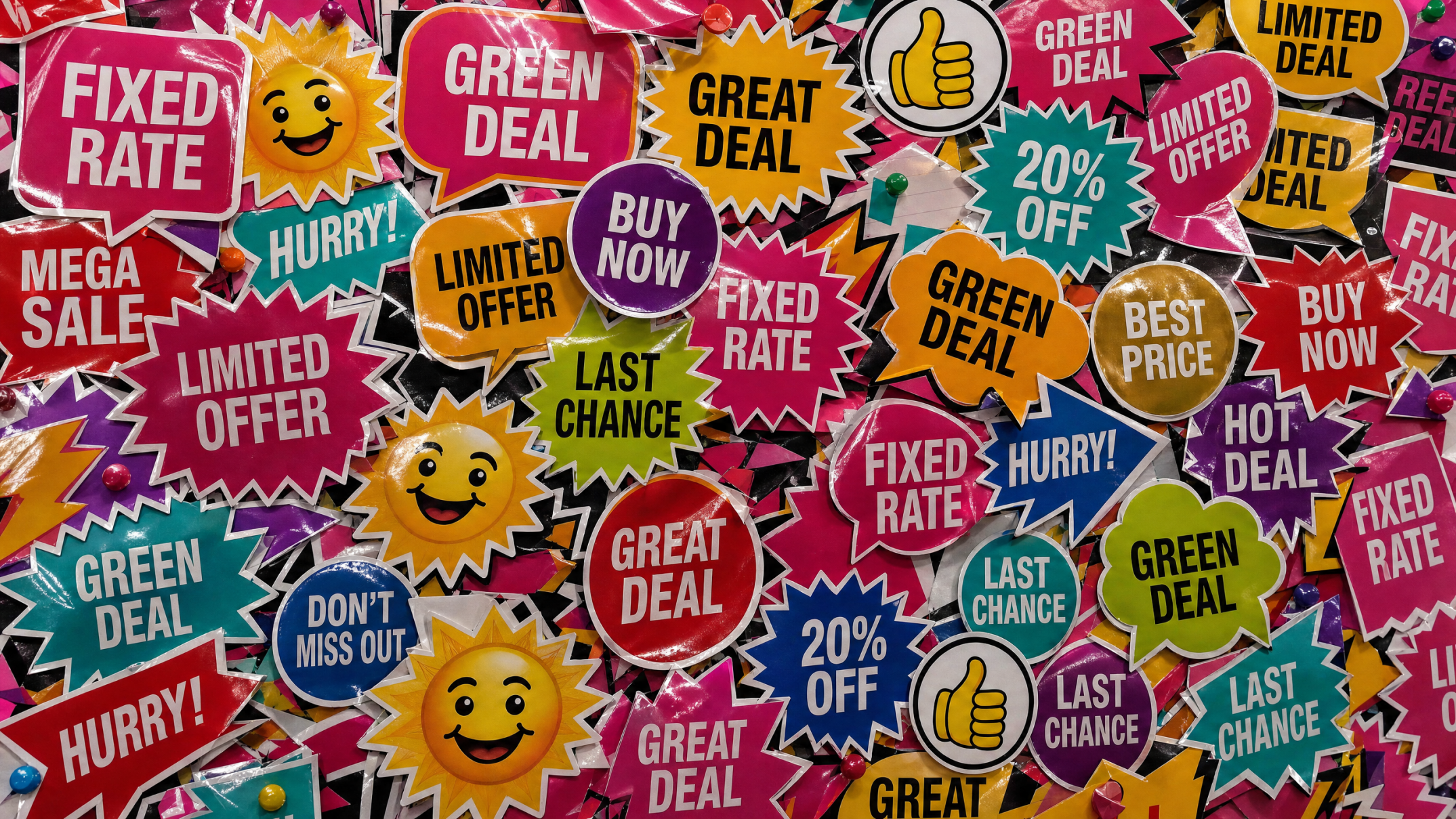
Luckily for our government we can’t easily compare our energy costs with say, Spain, France or Italy, for if we could we’d surely have outraged octogenarians marching in the streets. The varying prices per joule do not include the taxes, the green subsidies and the standing charges, all of which duck and dive to leave us confused and bewildered rather than downright angry. It’s hard enough to understand exactly what we’ve signed up for, what with competing suppliers offering a colourful panoply of green, semi-green, fixed, semi-fixed and dual-fuel deals offered amid a barrage of infantile fonts, smiling suns and annoying thumbs-up emojis. Our hapless leaders only make matters worse with their nonsensical announcements on the energy price cap, as if anyone on planet earth actually grasps the concept.
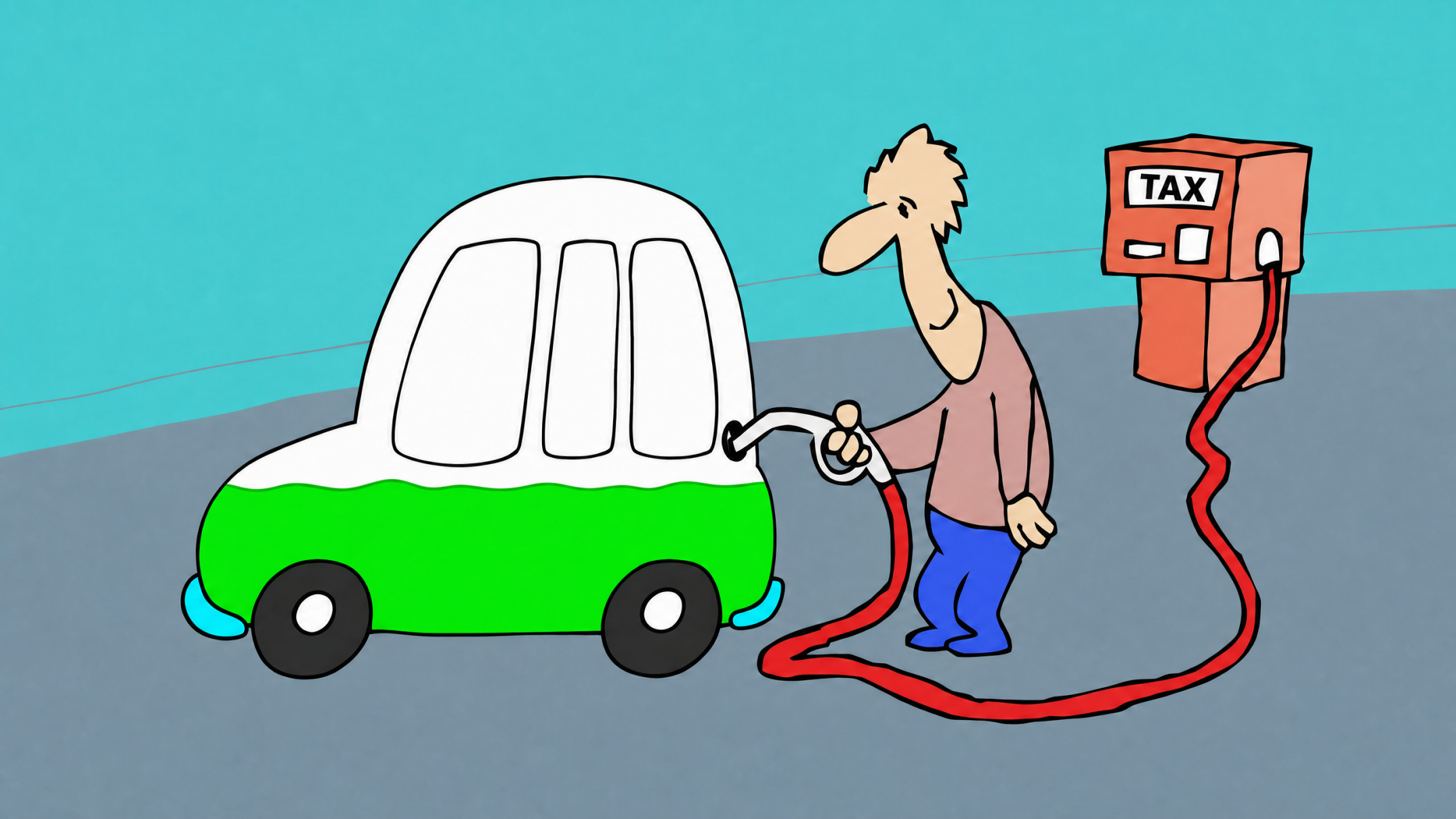
Petrol prices are the same. The sleight of hand that means we calculate our efficiency in miles per gallon whilst we fill our tanks in litres means only Stephen Hawking could have made sense of it, and no one has the time to listen to his explanation anyway. The fact that we are paying tax on tax (VAT on fuel duties) means that we are literally filling our cars with 48% tax…paid with money that’s already been taxed at near 50%. No one can ‘do the math’ as they say, and it’s probably a good job they can’t.
In the US drivers are currently squealing about ‘gas’ at $5 a gallon while we’re fretting over £2 per litre. We are simply not In the same universe. The painful reality is that our fuel costs are more than double the US, which means we’re paying £7.60 a (US) gallon to their £3.76 a gallon. You can’t blame that on Trump.
This level of obtuse, numerical entanglement is not an unfortunate oversight, it is a strategy commonly known as Price Obfuscation. Everyone’s at it. It seems that most big firms, including our utilities, have learned the wicked ways of the mobile phone networks. With their handset and airtime bundles, mortgage length contracts, annual increases and out of contract charges, no one has the foggiest how much their phone actually costs on a daily basis. And considering we spend most of the day staring at the bloody thing, that’s quite some marketing achievement.
Brits abroad feel as if they’ve been transported to some unimaginable Utopia when they discover decent wines for five euros a bottle. They know it’s UK tax that keeps our prices high but perhaps what they don’t realise is that it’s yet another example of our sneaky tax on tax mathematics. The end result is that on a £15 bottle of wine 39% of that goes back to the Treasury. That’s more than Finland, a country famous for home brewing as a way of dodging its exorbitant alcohol duties. Well, the UK is now up there with the Finns.
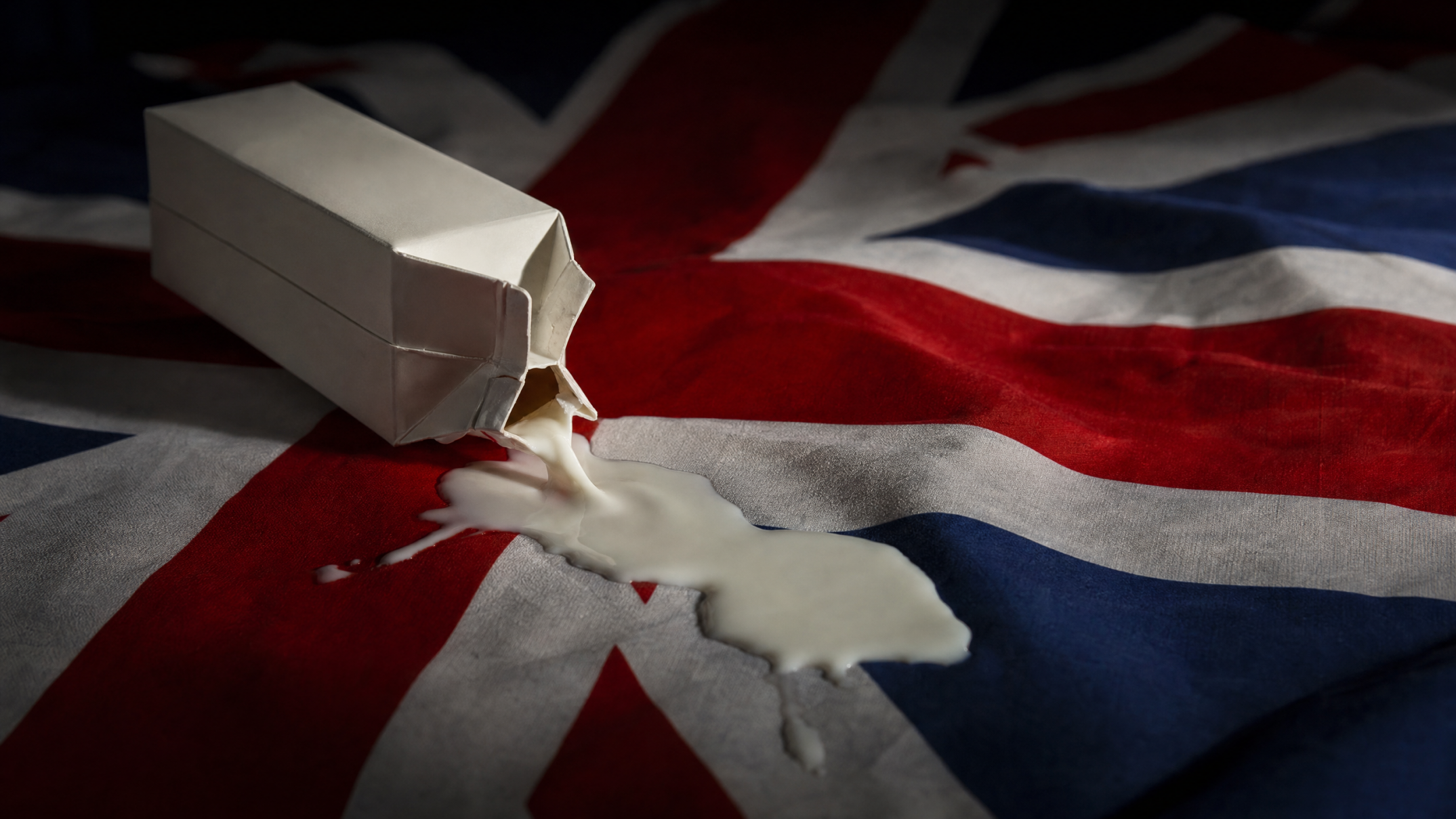
But we can’t blame taxes when it comes to basics like milk. Why is our UK milk (per litre) twice as expensive as the USA, Poland, Portugal and Turkey? And why do we still pay considerably more than in the Netherlands, Belgium, Italy, Sweden, Spain and Finland? The official answer is complex but I have a sneaking suspicion it’s something pretty simple. I’ll come back to that.
Ok, so let’s take a branded product, one that is almost universal in its size and appeal, and therefore trickier to ‘obfuscate’. The Mars Bar was invented in sunny Slough back in 1932 and has been munched in its multi-millions right across the planet ever since (apart from in the US where they’re still sucking on Hersheys, the bar that smells of puke). Now, the Mars bar may have suffered a few bouts of shrinkflation over the years but it still stands as a proud British export and standard bearer for British culture worldwide. So how come we, the inventors and producers of this timeless classic, pay way more than the Spanish, Greeks, Hungarians, Portuguese and Italians? In fact, how can it be right that we pay three hundred percent more than the Bulgarians? Where’s the fairness in that? How much discount Bulgarian chocolate are we enjoying in return, I ask you. There’s no question about it, we have a massive chocolate trade deficit with Bulgaria.
Sadly, the Mars Bar is not alone. A tin of Heinz beans is up to 70% cheaper in Qatar, Malaysia, Kuwait and Sweden. We pay a fair bit more for a jar of Nutella than in Austria, Belgium, Spain and Italy. And a standard can of refreshing CocaCola costs us poor Brits more than it does in Belgium, Italy, Germany, Greece, Japan, Hong Kong, UAE, Singapore and South Korea. (I can’t find out how much it is in North Korea). The great Magnum ice cream, that global icon of carefree summer holidays, is more expensive in Britain than in France, Spain, Germany, Belgium and the USA. Poland and Czechia pay half the UK price and surprisingly it’s even 25% cheaper in Finland and Sweden. And while we’re in bad diet mode, a large Domino’s pizza, once you strip out all the side orders and meal deals, is twice the price in the UK than in Germany or Thailand.

So what the hell is going on?
They’d like us to believe the answer is a complicated formula of income levels, taxation, exchange rates and labour costs. One almighty price obfuscation if ever there was one. Sure, if Unilever or Nestle charged the same price for a bar of confectionery in Bulgaria as in Singapore then the Bulgarians would no doubt go a bit short. But none of this explains why a Magnum is cheaper in Stockholm than it is in Skegness. My theory is that the price each nation pays is based largely on what it will bear. In Sweden, where unusually, they eat ice cream outdoors all year round, a Magnum faces some serious competition. Meanwhile, here in Blighty where a Magnum is for holidays only, we of course, pay full whack.
The insidious truth is that each price nudge encourages the next across a vast array of products. It’s very straightforward: now that the price of a beer is rarely seen sub £5 it has gently widened the entry point of acceptability for other treats. It follows then that Britain will, somewhat reluctantly, pay £4 for an ice cream. In turn, it’s logical then to stump up two quid for a can of Coke. Once a Coca Cola is £2 then a Mars Bar will not be far behind.
Perhaps it’s in our nature. Once upon a time we travelled the world in search of the very best it had to offer: the most expensive fragrances, herbs, coffees and exotic fabrics we could find. In the same vein today, we seek out the most punitive taxes and ridiculous prices anywhere in the world and pull them all together onto one tiny little unhappy island.
As usual, it’s our fault.
Howard Saunders is a writer, speaker and the Retail Futurist
howard@22and5.com
@retailfuturist
